Qualified specialists and on-site nephrologists
Nephrologists, internists and nurses specialized in kidney health, in continuous training with specialized institutions.
If you or someone in your family has been prescribed hemodialysis, we explain every step and stay with you at every session.
We care for your kidneys, we improve your life.
Start here
Every family arrives with different questions. Choose the one closest to yours and we'll take you straight to what you need.
What it is, what the first session is like and what to bring. In plain language.
How to start 02Hours, locations and availability at our five units.
See locations 03Patient referrals, portable hemodialysis and clinical partnerships.
Partner with CAMER
About us
CAMER was founded in Oaxaca to meet the need for quality kidney care. Today it brings together physicians experienced in renal therapy, nurses specialized in hemodialysis and trained technicians, working as one team.
To provide comprehensive kidney care through safe, accessible, high-quality hemodialysis therapies, centered on the person and supported by clinical technology and a deeply committed team, to improve the quality of life of our patients and their families.
To be the benchmark for kidney care in southeastern Mexico, building an accessible, sustainable and humanly committed network that transforms the patient experience through quality, innovation and regulatory compliance.
Every patient is a person, not just a treatment.Meet the team
Why CAMER
Specialists, technology and digital follow-up serving warm, professional care.
Nephrologists, internists and nurses specialized in kidney health, in continuous training with specialized institutions.
Our nephrologists design each patient's therapy and adjust it through follow-up, in line with healthcare best practices.
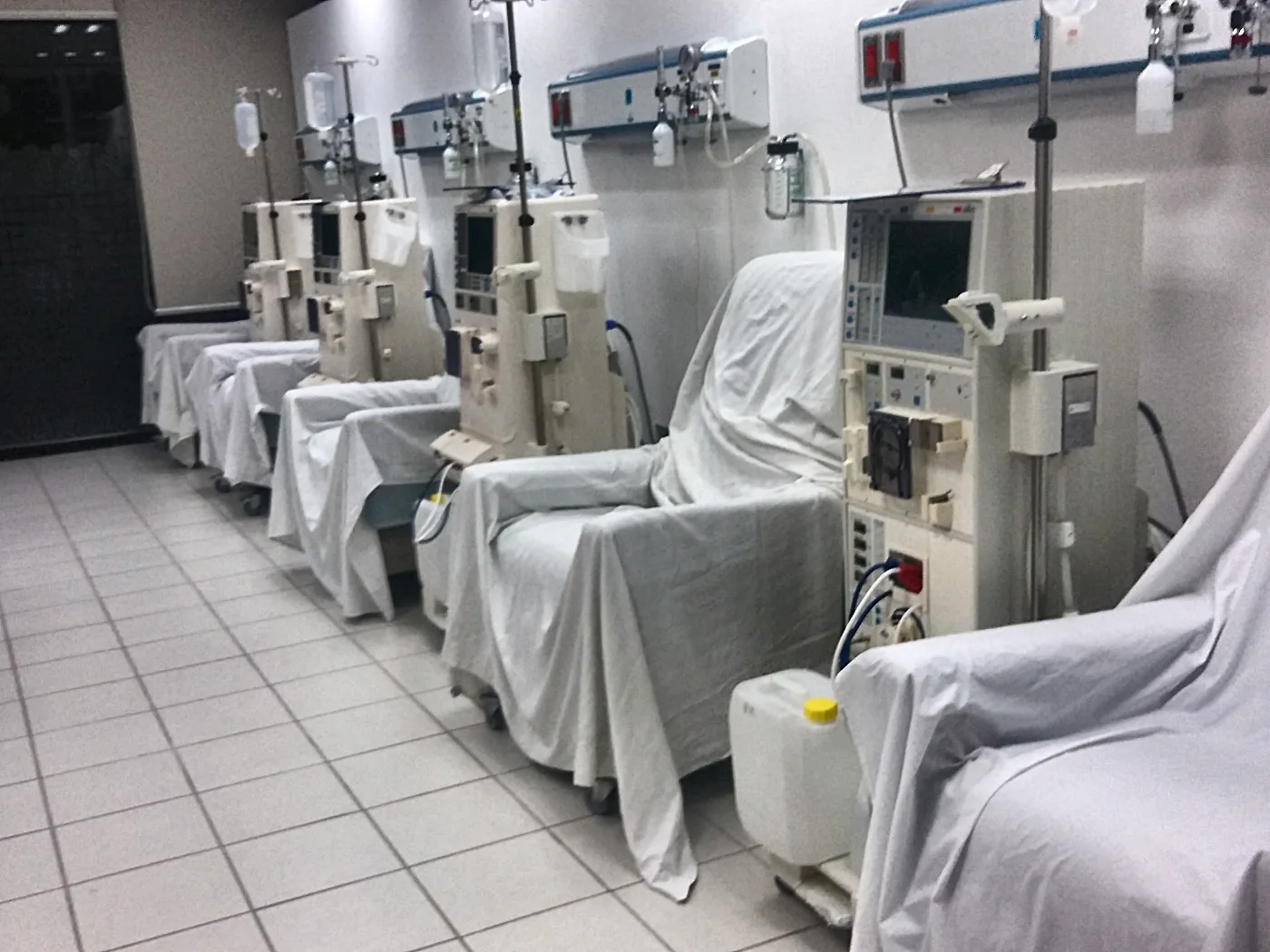
Hemodialysis machines with German Fresenius technology, specialized in renal replacement therapy.
Our electronic medical record, CAMER Medical Record, enables online follow-up before, during and after each treatment.
We stay with you from the first consultation through your treatment follow-up, listening at every step.
Services
Sessions on Fresenius machines, continuous clinical monitoring and specialized nursing staff throughout your therapy.
We bring therapy wherever the patient needs it: hospitals, private clinics and special situations, with the same safety standards.
Assessment, diagnosis and follow-up of kidney disease at every stage.
Hemodialysis catheter placement and care, with sterile supplies and direct coordination with your therapy.
Fluid, sodium, potassium and phosphorus control explained for you and your family.
Does not replace a specialized nutritional assessment.
Traveling to Oaxaca or Yucatán? Schedule your sessions with us and enjoy your trip without interrupting your treatment.
How to start
Your treatment doesn't stop, and neither do we.
By WhatsApp or phone. We'll tell you which tests to bring.
Our nephrologist reviews your case and defines your therapy.
Together we choose the unit and shift that suit you.
We guide you and your family at every session.
Holiday dialysis
Receive your hemodialysis sessions while you visit Oaxaca, the Isthmus coast or the Yucatán Peninsula, with the same clinical standard as your home unit.
Schedule my sessionsFor physicians and institutions
We work with nephrologists, hospitals, private clinics and healthcare institutions under a clinical partnership model, integrating with your protocols and processes.
Contact us to partnerFacilities
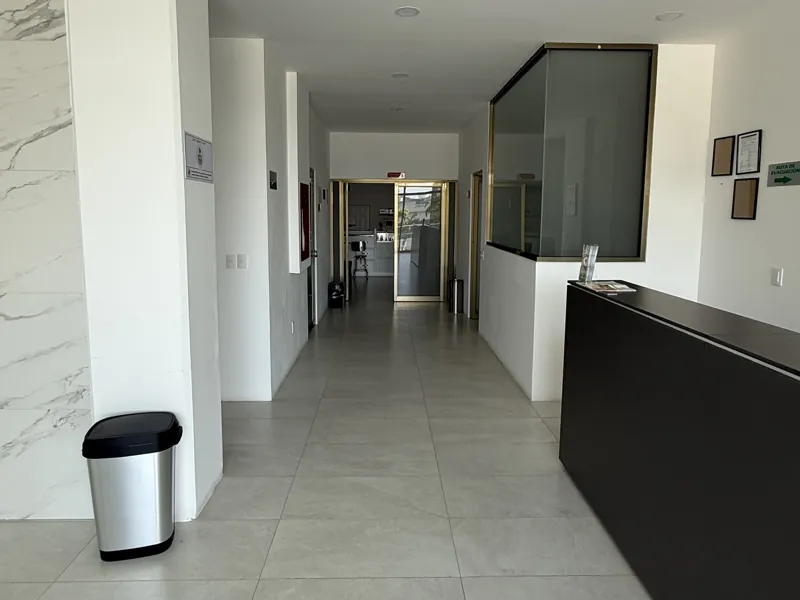
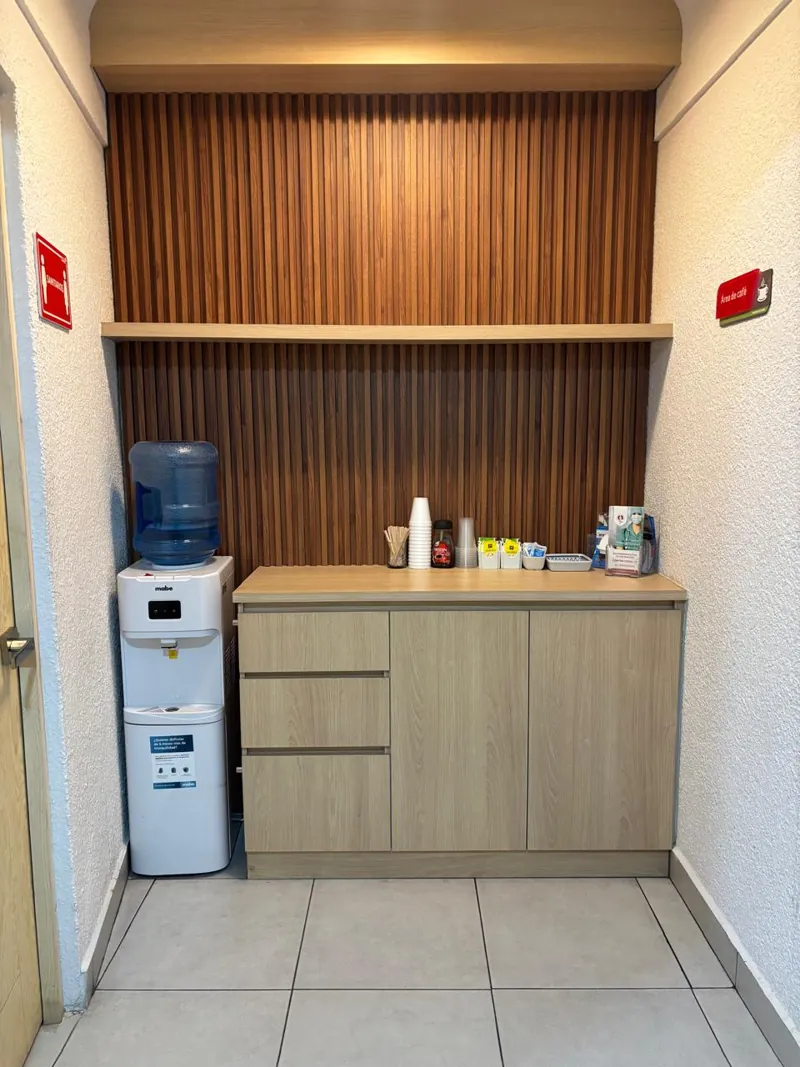
Spaces designed for your comfort and your family's during every session.
Locations
Each unit has its own phone and hours, in Oaxaca and Yucatán. Choose the closest one.
Oaxaca
Av. Fuerza Aérea No. 125-B, 2º piso, Col. Reforma, C.P. 68050, Oaxaca, Oax.
Oaxaca
Almendros No. 420 (antes 720), Col. Reforma, C.P. 68050, Oaxaca, Oax.
Oaxaca
Av. Manuel Ávila Camacho, Lt. 4, Mz. 24, 1er piso, Col. Centro, Salina Cruz, Oax.
Yucatán
Av. Alemán No. 336, Col. San Esteban, C.P. 97149, Mérida, Yuc.
Yucatán
Calle 31 No. 177 entre 46 y 48, Col. Candelaria, C.P. 97782, Valladolid, Yuc.
Frequently asked questions
Can't find your question? Write to us and our team will answer.
Cleaning the blood does not hurt. You may feel brief discomfort when the skin is numbed or the needles are placed. During the session you can read, watch a movie, talk with the team or rest.
At first, needle placement may be uncomfortable; our team works to make it as easy as possible. If you feel cramps, headache, nausea or dizziness during the session, let us know so we can help you right away.
In some cases of acute kidney failure, dialysis is temporary while the kidneys recover. In chronic kidney failure it is not a cure: it replaces part of kidney function. Your nephrologist will explain what applies to you.
Kidney transplant, hemodialysis and peritoneal dialysis in its continuous ambulatory, intermittent and automated forms.
Yes. Toxin buildup in the blood can cause irritability, anxiety, low mood, memory or sleep problems and low energy. Talk to our team; we will guide you and your family.
Fit your sessions into your routine, rest after treatment if you need to, care for your vascular access to prevent infection and adjust your diet: limit sodium, phosphorus, potassium and fluids, and get enough protein and calories.
It is the route through which blood flows to the dialyzer (filter) and back to your body. It is created with a procedure in the arm, leg or neck, and chosen with your physician when treatment begins.
Two: temporary, using a catheter, and permanent, using an arteriovenous fistula or graft.
A thin tube placed in a vein in the neck, chest or, less often, the groin, with two lines for blood flow. It must be kept clean and dry; you can shower if you cover the area with waterproof protection.
A surgical connection between an artery and a vein, usually in the arm. Arterial flow strengthens and enlarges the vein so it can be used for hemodialysis.
A synthetic tube placed under the skin to connect an artery to a vein, usually in the arm.
You and your family will need time to adjust. Most people feel better and have more energy once they get used to treatment.
Yes. The key nutrients to manage are protein, potassium, sodium, phosphorus and fluids. You will receive nutritional guidance based on your treatment and condition; it does not replace a specialized nutritional assessment.
Yes, many people on hemodialysis keep working. If your job is very physically demanding, you may need to adjust some activities.
Yes. Our team can help you coordinate sessions at hemodialysis units in other cities, states or countries.
Call your unit's line and we'll tell you what to do. We also teach you how to handle the most common situations at home.
Contact
Leave your details and a member of our team will call you. If you prefer, message us directly on WhatsApp.
For your privacy, please do not share diagnoses, lab results or other clinical data in this form.